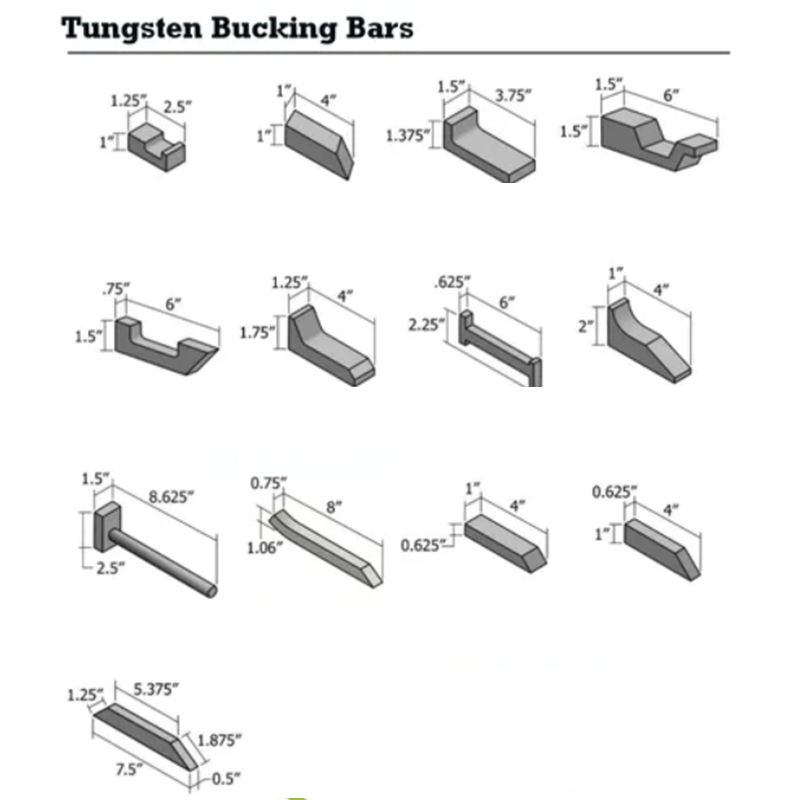
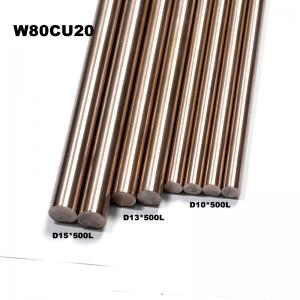
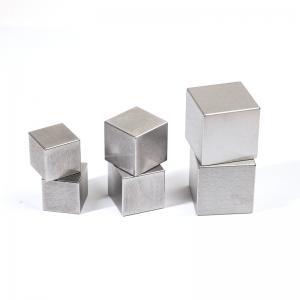
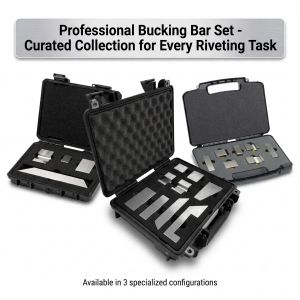
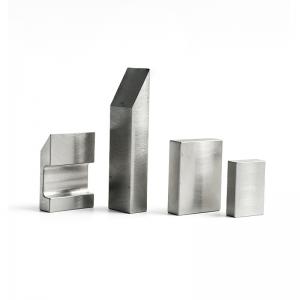
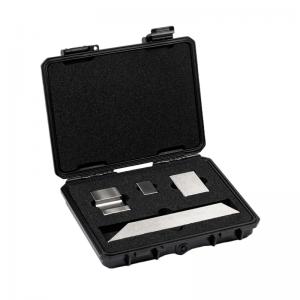
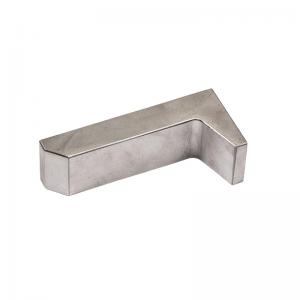
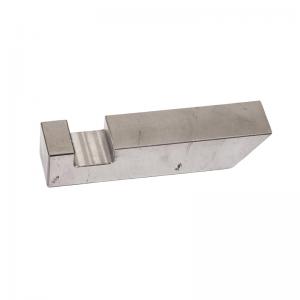
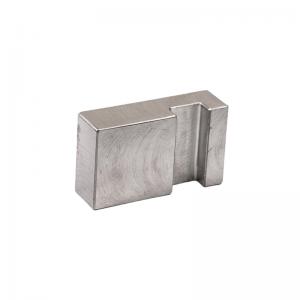
In the world of aerospace manufacturing and structural repair, riveting is a high-impact, repetitive task. While the focus is often on the quality of the rivet head, the long-term health of the operator is equally critical. Traditional steel bucking bars, while functional, expose technicians to significant vibration—a leading cause of chronic workplace injuries.
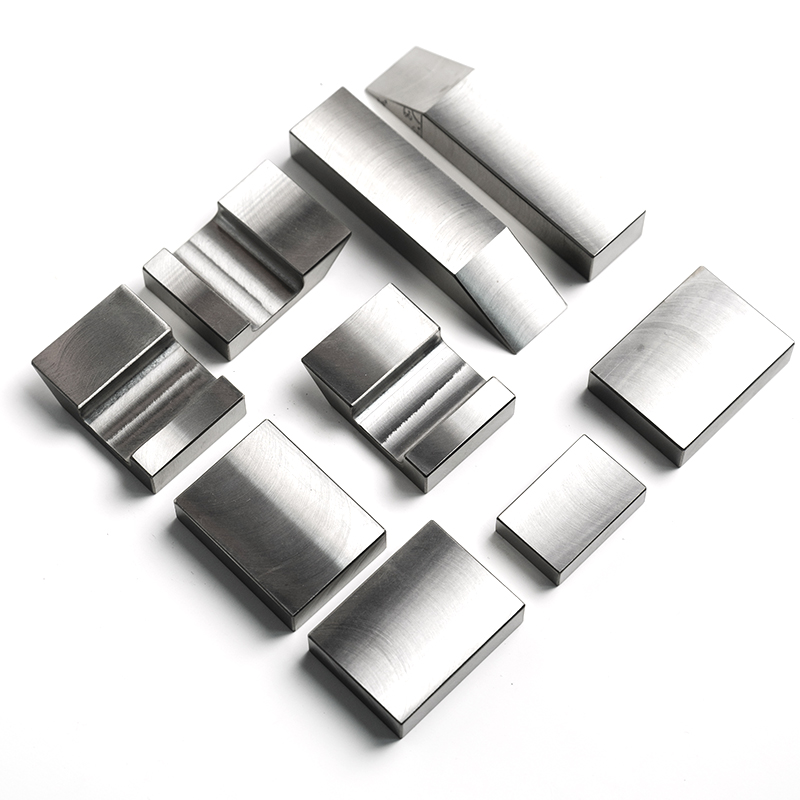
Continuous exposure to high-frequency vibration from pneumatic rivet guns can lead to Hand-Arm Vibration Syndrome (HAVS), also known as "Vibration White Finger." Symptoms include:
Numbness and tingling in the fingers.
Loss of grip strength.
Pain and sensitivity to cold.
Permanent nerve and blood vessel damage.
Using a high-density tungsten bucking bar is one of the most effective ways to mitigate these risks.
The secret lies in the physics of mass and inertia.
Density Comparison: Traditional steel has a density of approximately 7.8 g/cm³, whereas high-density tungsten alloy reaches 17.0 to 18.5 g/cm³.
Kinetic Energy Absorption: Because a tungsten bar has more mass in a smaller volume, it possesses greater inertia. When the rivet gun strikes, the tungsten bar stays more stable, absorbing and dissipating the kinetic energy rather than bouncing back into the operator's hand.
Lower Recoil: The high density effectively "dampens" the shockwaves. Instead of the sharp, stinging recoil felt with steel, tungsten provides a "thud" that is much easier on the joints and tendons.
Ergonomics isn't just about safety; it’s about performance.
Fewer Blows Required: Because the tungsten bar is heavier and more stable, it clinches the rivet faster. Fewer strikes per rivet mean less total vibration exposure.
Reduced Fatigue: Operators using tungsten reported significantly less muscle fatigue at the end of a shift, leading to higher precision and fewer rejected rivets.
Precision in Tight Spaces: In cramped environments where you can't get a good grip, the stability of tungsten ensures the bar doesn't "walk" or slip, protecting both the aircraft skin and the operator's knuckles.
For companies, switching to Zhuzhou Chuangde's tungsten bucking bars is a strategic move:
Reduce Workers' Comp Claims: Lowering the incidence of RSI and HAVS saves thousands in medical and legal costs.
Compliance: Meet international occupational health standards (like ISO 5349) regarding human exposure to hand-transmitted vibration.
Employee Retention: Providing premium, ergonomic tools shows a commitment to staff well-being, boosting morale and reducing turnover.
The transition from steel to tungsten bucking bars is more than a tool upgrade—it is an investment in human capital. By choosing high-density tungsten, you are ensuring a safer, more productive, and more sustainable workplace.