If you run a busy sheet metal shop, aerospace assembly line, or automotive MRO facility, you know that riveting is a game of precision, speed, and endurance. But day after day, your technicians face the same old frustrations: cramped spaces where standard tools won’t fit, rivet gun recoil that leaves hands numb, and fluctuating rivet quality.
It usually comes down to the block behind the metal. For decades, steel was the default choice on the shop floor. Today, Tungsten Alloy Bucking Bars are rapidly replacing steel in top-tier facilities worldwide.
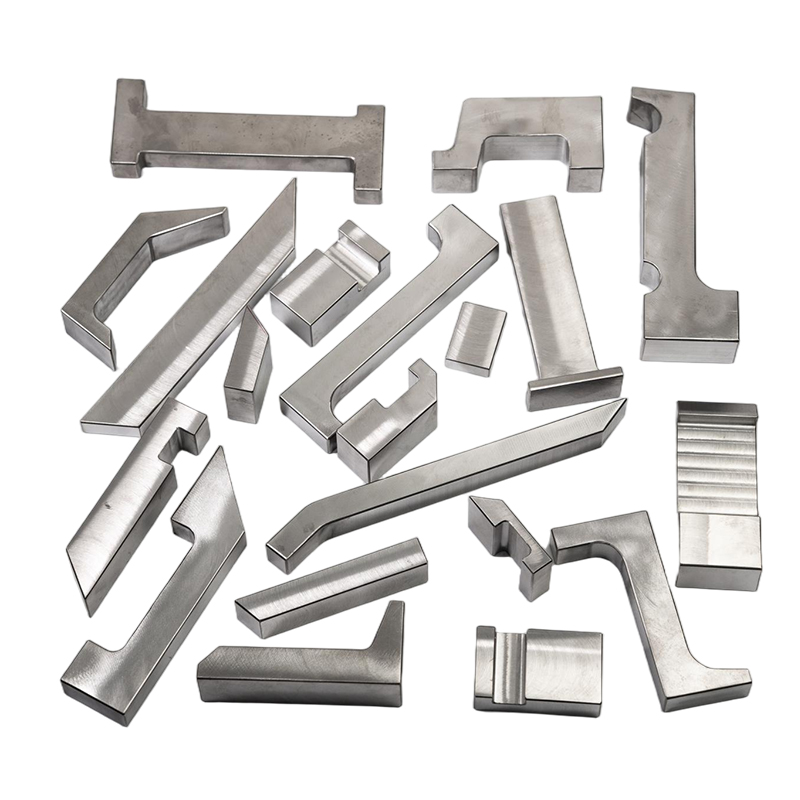
Is upgrading to tungsten actually worth the investment for your shop, or should you stick with reliable old steel? Let’s break down the facts from a practical, real-world shop perspective.
In a rivet block, weight is your best friend. The heavier the bar, the easier it is to upset the rivet cleanly. But on modern assembly lines, you rarely have wide-open spaces to work with. You are frequently reaching inside narrow aircraft wings, tight bulkheads, or deep-pocket enclosures.
The Steel Dilemma: Steel has a density of about 7.8 g/cm3. To get a steel bar heavy enough to take down a solid rivet, the tool has to be physically large. If you are working in a tight corner, a bulky steel block simply won't fit.
The Tungsten Advantage: High-density tungsten alloy boasts a density of up to 18.5 g/cm3—more than double that of steel. This means you get the exact same weight in a tool that is half the physical size.
The Verdict: Tungsten lets you pack maximum hitting weight into tiny, complex spaces where a steel block can't even scratch the surface.
Ask any veteran riveting technician about their wrists, and you’ll likely hear a story about occupational strain. The constant pounding from pneumatic rivet guns sends intense recoil energy straight back through the tool and into the operator's joints.
Steel transmits shock: Steel blocks are rigid and bouncy. They reflect a large portion of the rivet gun's recoil energy directly back into the user’s hand and wrist, leading to rapid worker fatigue and long-term health risks like Carpal Tunnel Syndrome.
Tungsten absorbs shock: Because of its unique metallurgic properties and immense inertial mass, tungsten naturally acts as a vibration-dampener. It kills the recoil on impact.
When your bucking bar absorbs the vibration, your workers don’t have to. You get a safer shop floor, less downtime from injury, and much happier technicians who can work longer with consistent accuracy.
When a bucking bar doesn't have enough mass, it shudders and shifts during the riveting cycle. This causes the block to dance across the metal sheet, leading to a couple of major headaches:
Marred Skins: Scratches and dents on high-dollar aluminum sheets.
Clinched Rivets: Bent or unevenly formed rivet tails that fail quality inspection and must be drilled out.
Because tungsten bars stay firmly planted behind the rivet shank due to their pure weight, they hold their position flawlessly. You get perfectly formed, uniform rivet heads on the first pass, virtually eliminating costly rework and scrap.
Investing in tungsten tools only makes sense if you can get the exact shapes your team needs. That is where our manufacturing facility comes in. As a direct, large-scale tungsten metallurgy factory, we don't just supply tools—we secure your production efficiency.
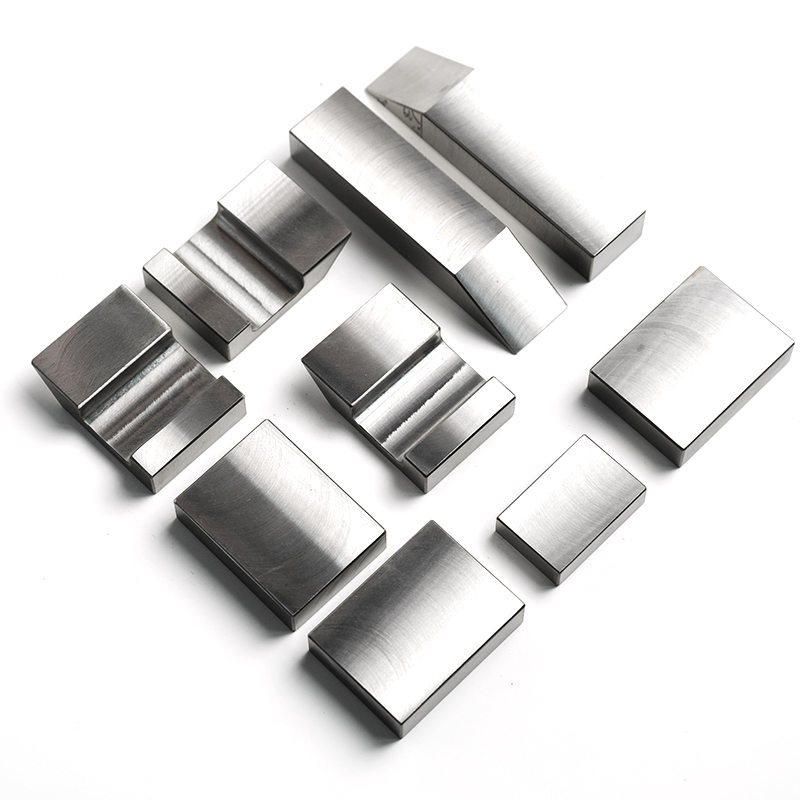
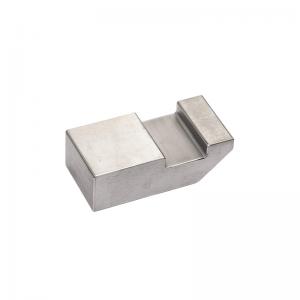
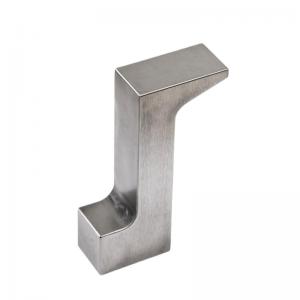
We carry a vast selection of standard industrial configurations ready for immediate shipment. Whether your shop prefers standard rectangular blocks, slab bars, or classic T-shapes, we maintain high-volume stock to fulfill bulk orders instantly.
No two assembly lines are identical. If your team is tackling a unique engineering clearance or a proprietary component angle, our engineering team can customize specialized shapes based directly on your CAD or PDF drawings.
Custom Geometric Shapes: We can precision-machine unique cutouts, stepped shanks, or custom tapers.
Tailored Weight Balancing: We modify dimensions to achieve the exact ergonomic weight your operators require.
Mar-Free Polish: All of our blocks feature precision-ground contact faces with smooth chamfered edges to ensure zero scratching on your materials.
While steel blocks win on initial upfront cost, they lose in the long run through slower production speeds, higher rates of part rework, and worker fatigue.
Upgrading to Tungsten Alloy Bucking Bars is an investment that pays for itself on the shop floor. You get faster rivet cycles, better surface quality, and a safer working environment for your team.
Ready to upgrade your shop's riveting efficiency? Contact our factory team today to view our standard catalog or send over your custom drawings for a fast, direct quote!